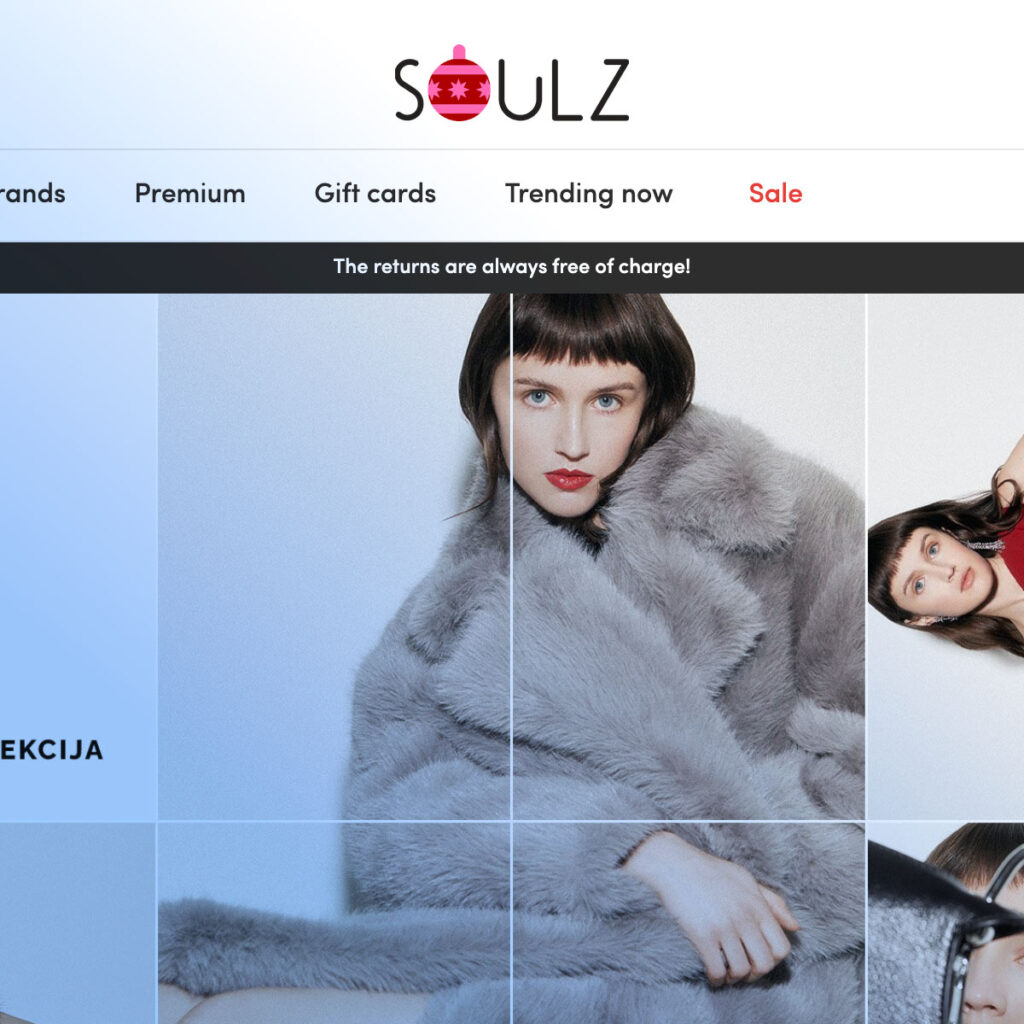
In the current e-commerce landscape, static JPEG images are becoming an efficiency bottleneck. While high-quality photography is standard, it fails to convey context, drape, or personal relevance to the consumer.
For retail operators and digital product managers, the integration of Virtual Try On technology is not about chasing a trend; it is about addressing the fundamental disconnect between a digital catalogue and physical reality.
We are seeing a shift where Clothing Virtual Try On is becoming the new standard for Product Detail Page (PDP) engagement. Here is how this technology functions as a standalone asset and how it scales when paired with biometric data.
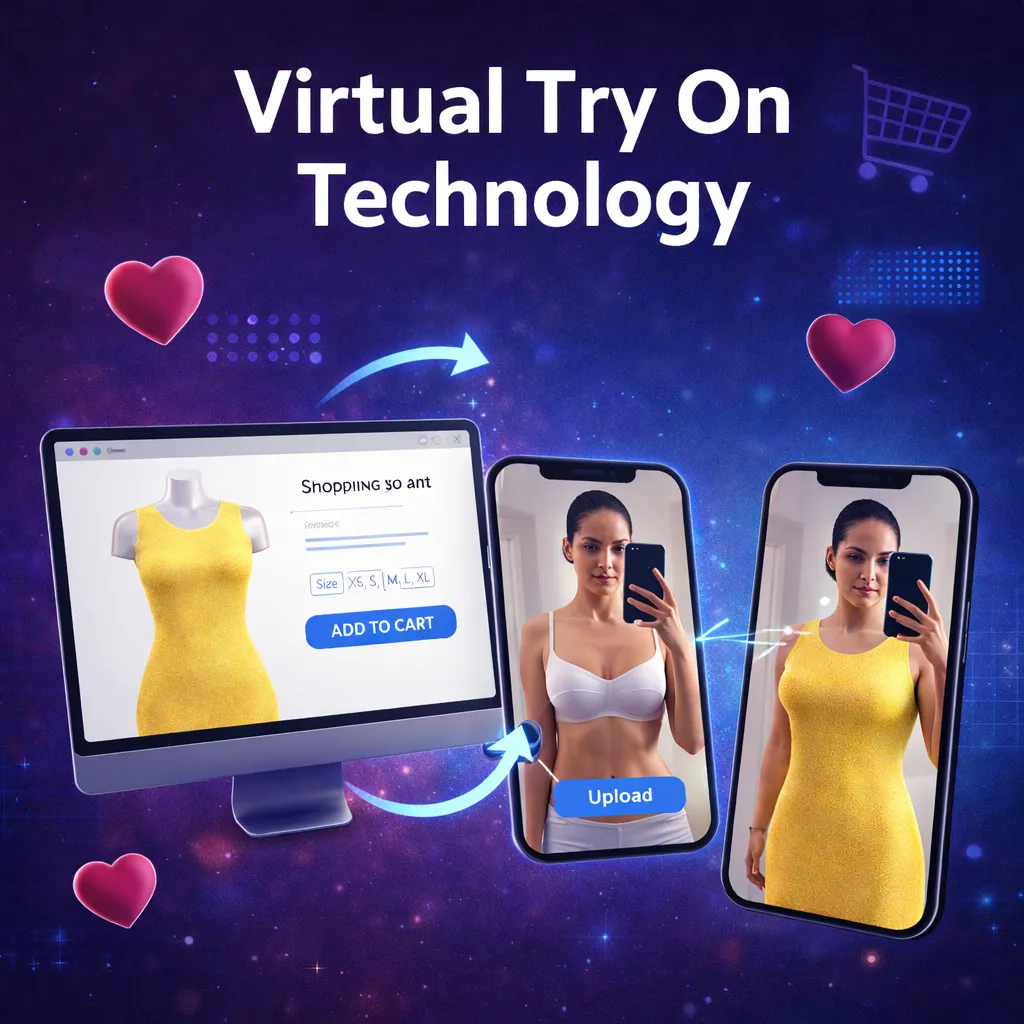
Virtual Try On (VTO) is the application of computer vision and augmented reality to simulate how a garment looks on a human body. Unlike basic 2D overlays, advanced VTO like the solution developed by Prime AI mimics fabric physics, lighting, and body morphology.
The goal of Virtual Try On is to increase “dwell time” (the amount of time a user spends on a page). Search Engine algorithms heavily weight dwell time as a signal of site quality. By allowing users to visualise products on themselves or diverse models, you essentially gamify the shopping experience, keeping users on your site longer and reducing bounce rates.
What is Virtual Try On Technology?
Virtual Try On as a Standalone Service
For many fashion verticals, the primary friction point is aesthetic validation rather than size confusion. If you are selling handbags, sunglasses, jewellery, or loose-fitting streetwear (oversized hoodies, tees), the exact millimetre measurements matter less than the “vibe” or the “look.”
In these cases, deploying Clothing Virtual Try On as a standalone service drives specific commercial outcomes:
The Psychology of Ownership (Endowment Effect)
Psychologically, once a customer sees an item “on” their own image, a sense of ownership begins to form. Virtual Try On bridges the gap between interest and intent. The customer is no longer looking at a model; they are looking at themselves.
Reducing “Style” Returns
A significant percentage of e-commerce returns are categorized as “Changed Mind” or “Doesn’t Suit Me.” These are subjective failures. A standalone Virtual Try On tool filters these users out before the checkout process. If the colour washes them out, they don’t buy it, and you don’t pay for the shipping and restocking of a guaranteed return.
Visual Merchandising Efficiency
Generating photography for every SKU on every body type is cost-prohibitive. Virtual Try On technology could automates this. It allows a single garment asset to be visualized across infinite body types and skin tones without booking a single studio day.
Virtual Try On + Size Finder (The Full Stack)
While Virtual Try On is excellent for engagement and aesthetic validation, it has limitations regarding technical fit. A customer might love how a dress looks in the VTO simulation, but the VTO engine does not necessarily know that the customer’s hip measurement exceeds the garment’s tolerance.
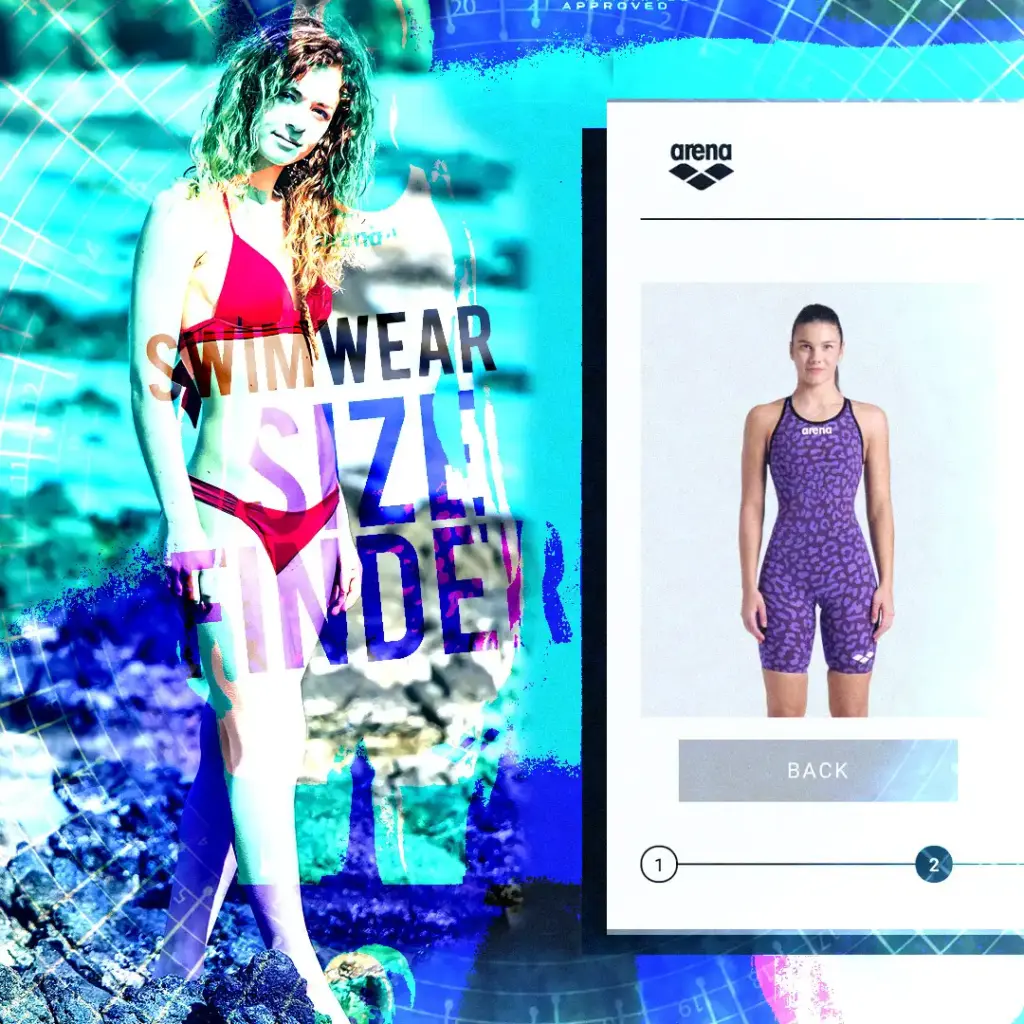
To maximise conversion and minimise returns, the most robust strategy is pairing VTO with a data-driven sizing engine, such as Prime AI’s Clothing Size Finder.
How the Hybrid Model Works
This approach separates the customer journey into two distinct validation checks:
Visual Validation (Virtual Try On): The customer engages with the Virtual Try On feature to confirm they like the style, the colour, and the silhouette. This creates the emotional desire to purchase.
Technical Validation (Size Finder): The Size Finder runs in the background. It takes the customer’s height, weight, and fit preference (tight vs. loose) to recommend the specific SKU size (e.g., “M” or “L”).
The Commercial Impact of Integration
When you combine Virtual Try On with a Size Finder, you attack the return rate from both angles.
VTO stops returns caused by unmet aesthetic expectations.
Size Finder stops returns caused by poor fit.
Data suggests that customers who engage with both tools have a significantly higher Lifetime Value (LTV). They trust the brand because the brand provided the tools necessary to make an informed decision remotely.
Implementing Virtual Try On for ROI
The decision to implement Virtual Try On technology should be based on your catalogue’s specific needs.
If your inventory is visually driven and size-forgiving, a standalone Clothing Virtual Try On implementation will likely suffice to boost engagement and SEO rankings through increased time-on-site.
However, if your brand sells tailored goods, denim, or structured fabrics, relying solely on visuals is a risk. In these high-stakes categories, the integration of the Clothing Size Finder ensures that the “Virtual” experience translates into a successful physical reality.
See how Clothing Size Finder Pro has helped brands slash returns
By continuing to use our site, you consent to the Privacy Policy terms. If you agree to our terms, ‘Accept Privacy Policy’. See our Privacy policy for more information.