How AI Stops Guest Checkout Fraud and Return Abuse
In the fashion retail, a new trend has emerged from East Asia: attaching massive, A4-sized neon security tags to the outside of garments. The goal is simple to prevent “wardrobing” buying an item for a one-time wear (like a social media photoshoot or a night out) and then returning it as “new”. Some retailers have even resorted to adding weighted water bottles or complex plastic seals to create a physical barrier to this practice.
While these measures make for interesting headlines, they represent a desperate action to the problem. Actions are reactive, they degrade the premium unboxing experience for honest customers, and most importantly, they fail to stop the most sophisticated return fraudsters who know how to work the system.
At Prime AI, we believe you cannot solve a physical problem without first understanding the digital data that drives it. Our recent analysis for a client over a 24-month period exposed the shocking scale of the “Serial Returner” problem:
A tiny segment of just 95 customers was responsible for 5.1% of total refunds, while contributing nothing to total sales.
These aren’t just customers who made a mistake with sizing. These are individuals systematically abusing return policies, and giant neon tags won’t stop them if they know how to exploit the system’s vulnerabilities.
The Real Data Behind the Crisis
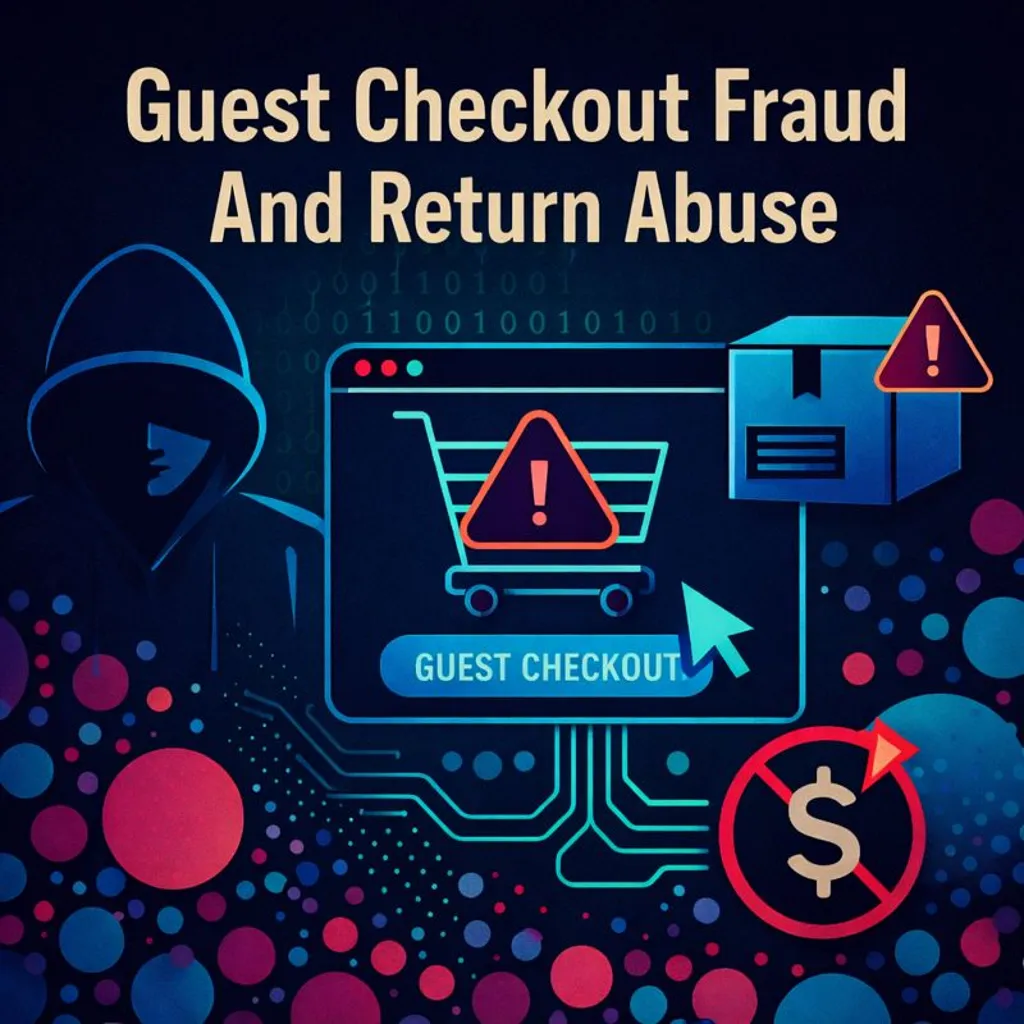
The Guest Checkout Loophole
One of the most significant challenges for modern retailers is Fraud via Guest Checkout. When a retailer attempts to crack down on serial returners by flagging accounts or banning email addresses, savvy fraudsters simply pivot. They use:
Guest Checkouts: Bypassing account history entirely to appear as a new, anonymous shopper.
Multiple Email Aliases: Using tricks like “[email protected]” to create seemingly unique identities.
Virtual Credit Cards: Changing payment methods frequently to stay under the radar.
The central vulnerability is the lack of “data continuity” in guest checkouts. If your prevention strategy relies on a human manually checking an Excel sheet of Top Returners, you are missing the 95% of fraudulent activity that happens under the cover of anonymous guest purchases.
What Retailers You Can Test Today
Before implementing a comprehensive AI solution, there are steps retailers can take to better understand the scope of the problem and start gathering data.
Here are a few ideas to test by yourself or Prime AI can do this for you:
Analyse Returns by Checkout Type: Segment your return data to see if guest checkouts have a disproportionately high return rate compared to registered accounts. Look for patterns in return reasons, are “item defective” claims higher for guests?
Track “Velocity” and Clustering: Even without an account, you can monitor for clusters of orders that contain same variable, an IP address within a short timeframe, while different names and emails are used. There many other variables that allow us to detect bad actors.
Implement Targeted Friction: Consider adding a small amount of friction for high-risk guest checkout sessions. For example, if a guest order contains multiple sizes of the high-value items. Prime AI can help you prevent such refund before it happens.
Audit Your Return Policy for Loopholes: Review your policy through the eyes of a fraudster. Are there ambiguities or generous terms that are easy to exploit?
Use Prime AI to Establishing Data Continuity to Stop Fraud
While these manual tests can provide initial insights, they are not a scalable solution. Fraud detection models thrive on data continuity, history, patterns, and connections. This is where Prime AI’s advanced artificial intelligence comes in.
Prime AI goes beyond simple rule-based systems. Our platform uses sophisticated AI to:
Establish Data Continuity Across Guest Sessions: By analysing thousands of data points beyond just email and name, our AI can link seemingly unrelated guest checkouts to identify the same underlying individual.
Detect Sophisticated Fraud Patterns: We identify complex behavioural patterns indicative of fraud, such as wardrobing, bracketing with intent to return, and systematic policy abuse, even when hidden behind guest checkouts and virtual cards.
Take Proactive, Targeted Action: Instead of punishing all customers with physical tags or restrictive policies, Prime AI allows you to take targeted action against identified fraudsters, such as blocking specific devices, payment methods, or shipping addresses without impacting the experience for your loyal, honest customers.
Start using data to protect your bottom line. Request A Demo Today to learn how our AI-powered solutions can help you identify and stop return abuse and guest checkout.
Sehen Sie, wie Clothing Size Finder Pro dabei geholfen hat, die Retouren von Marken drastisch zu reduzieren.
Durch die weitere Nutzung unserer Website erklären Sie sich mit den Bedingungen der Datenschutzrichtlinie einverstanden. Wenn Sie mit unseren Bedingungen einverstanden sind, klicken Sie auf "Datenschutzrichtlinie akzeptieren". Siehe unser Datenschutzbestimmungen für weitere Informationen.